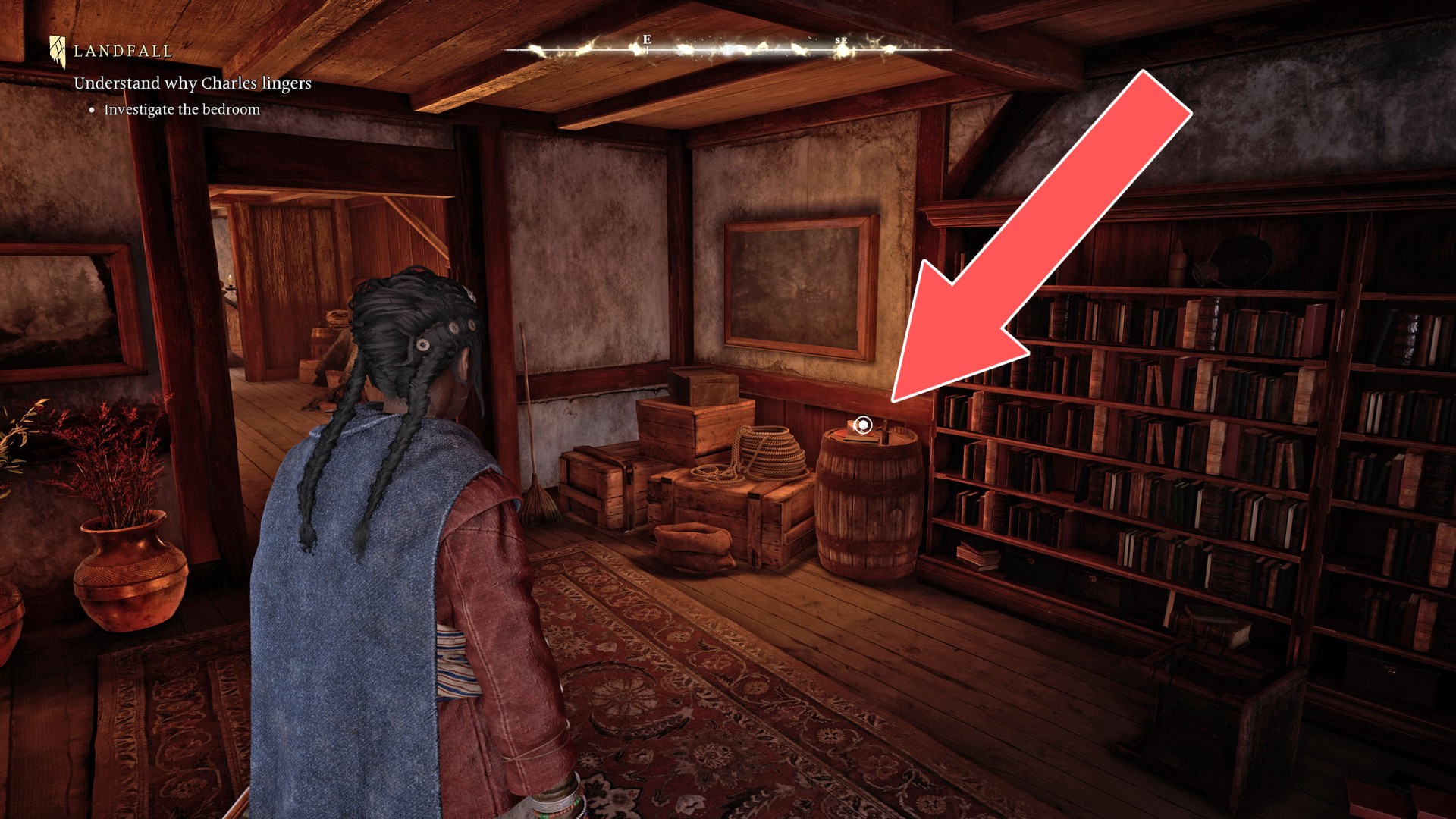
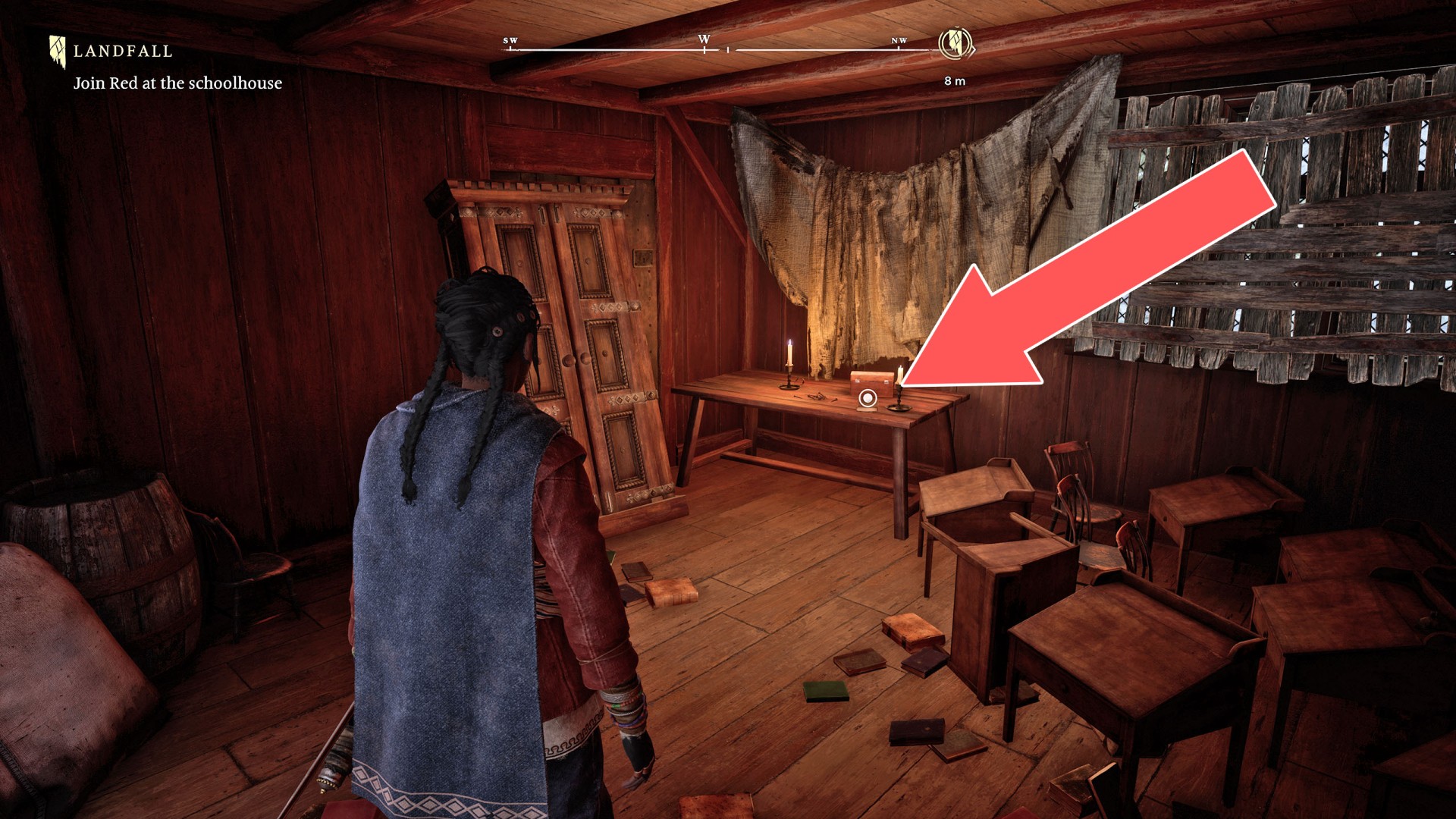
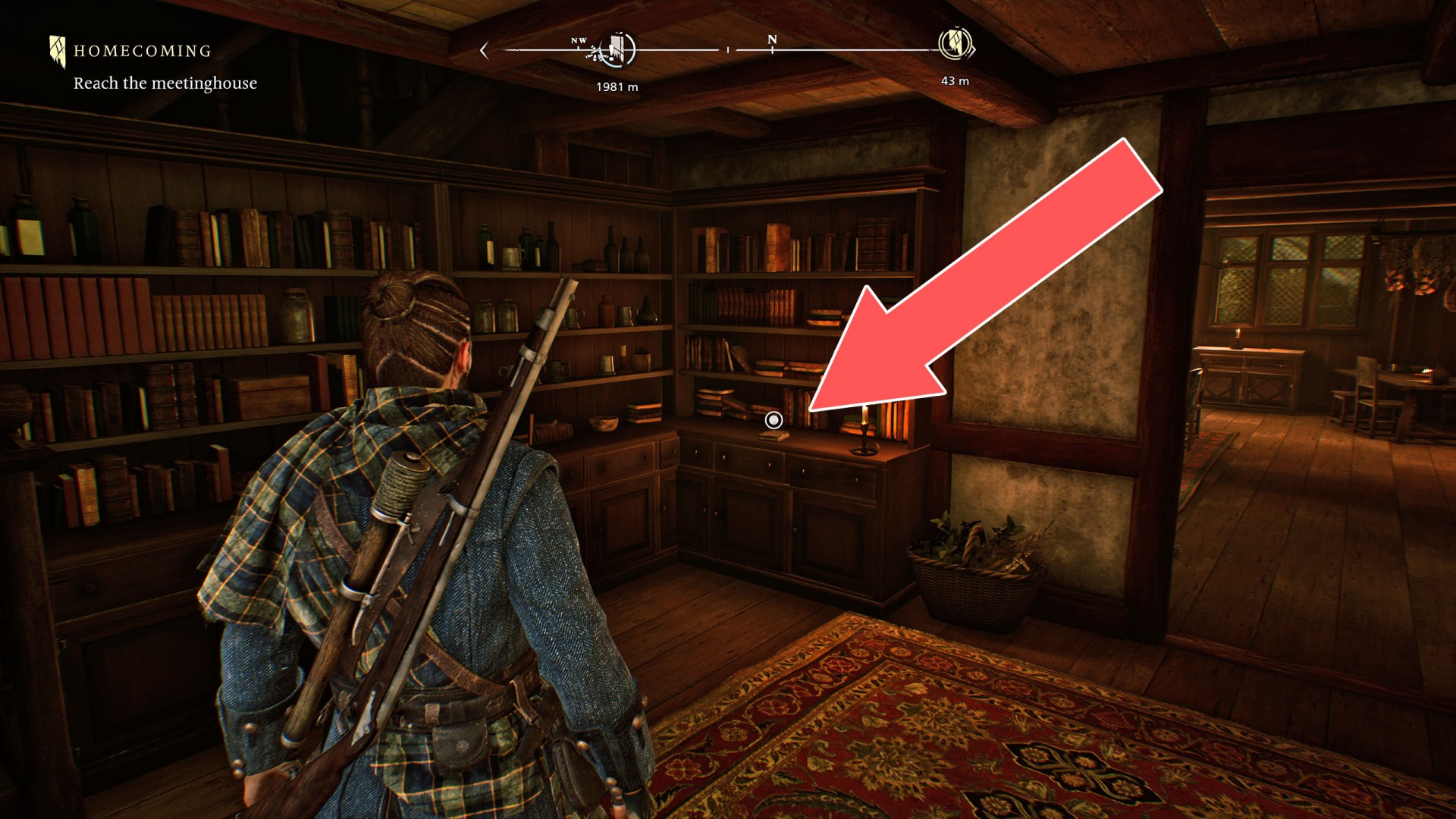
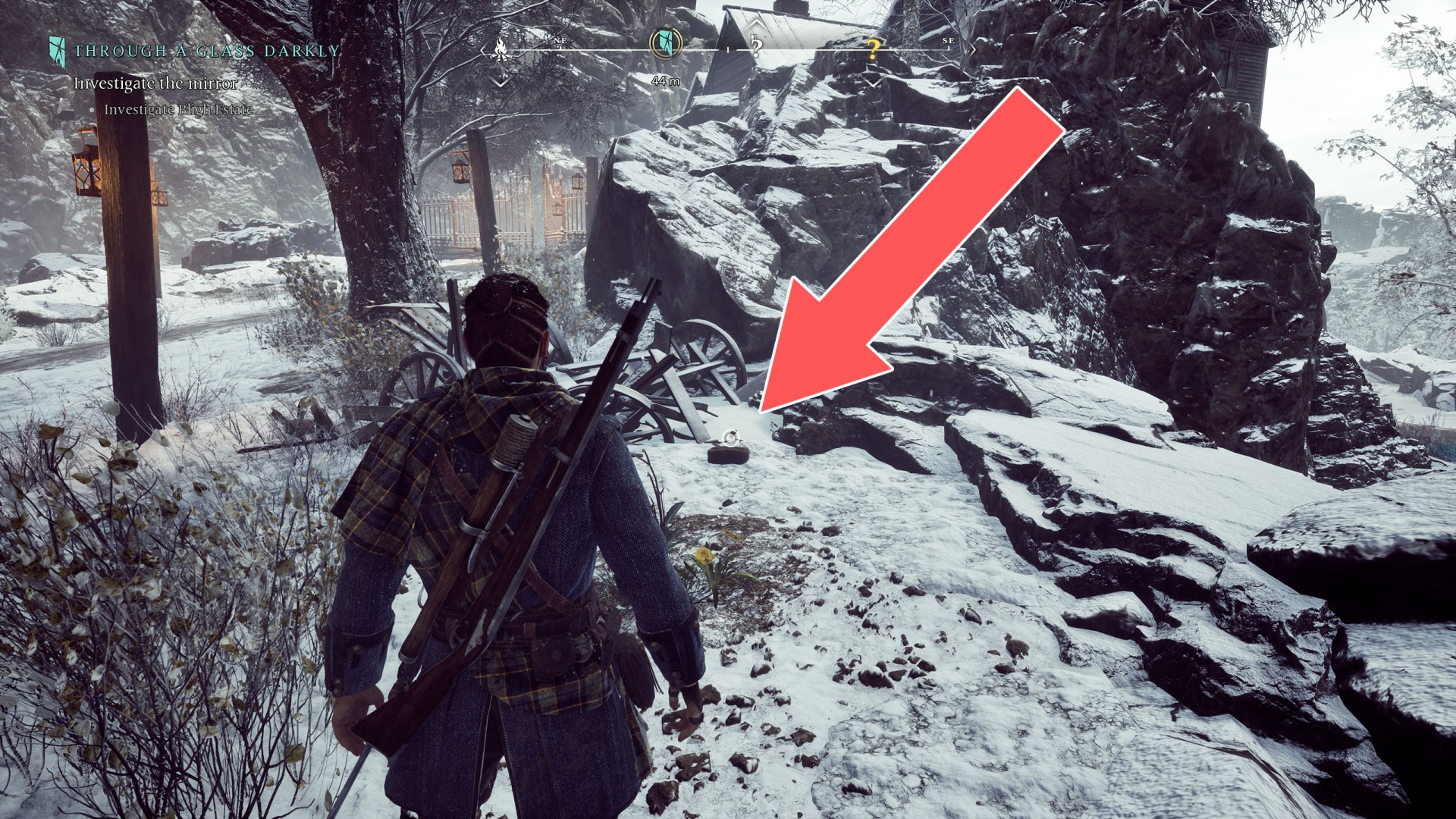
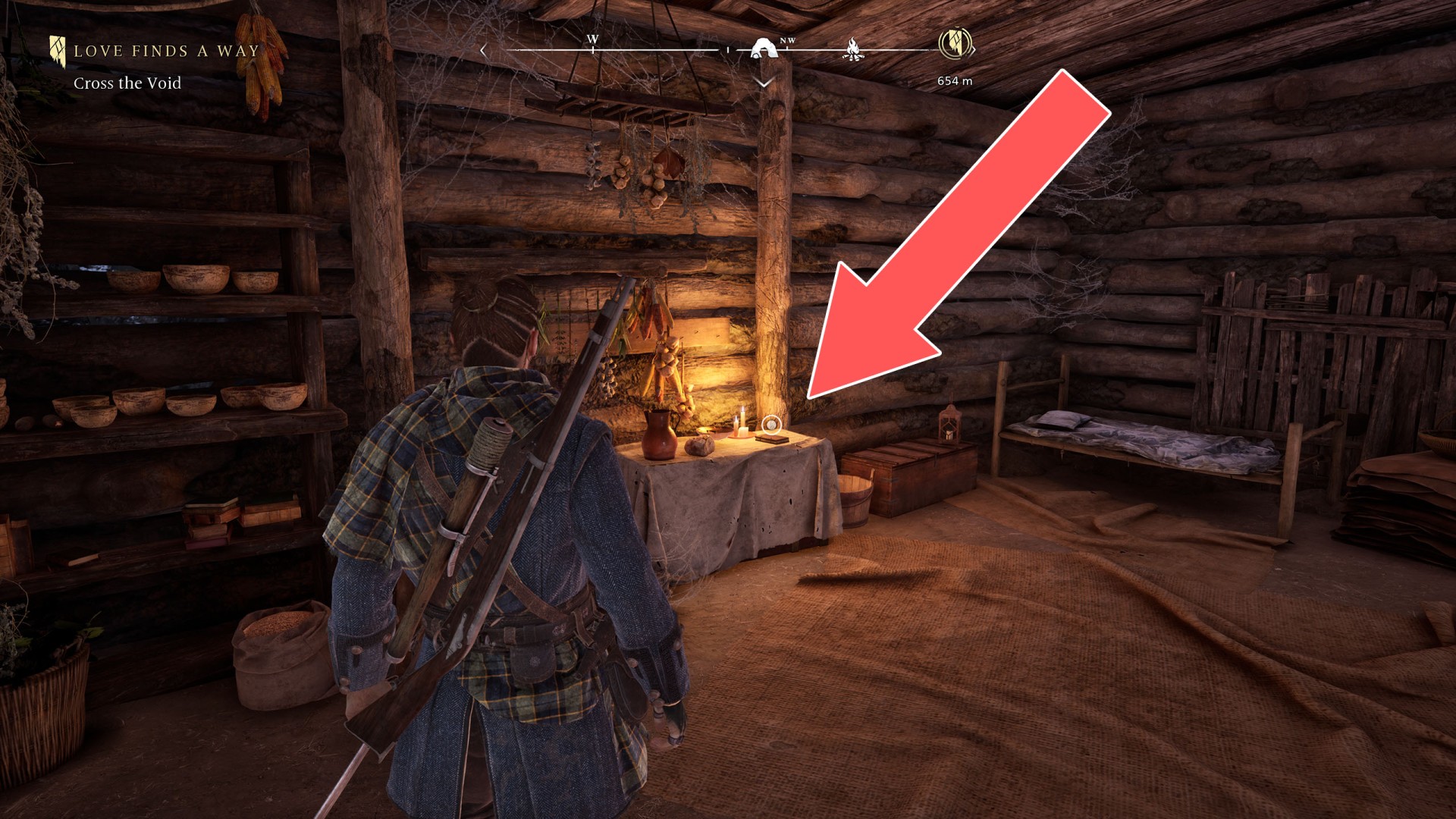
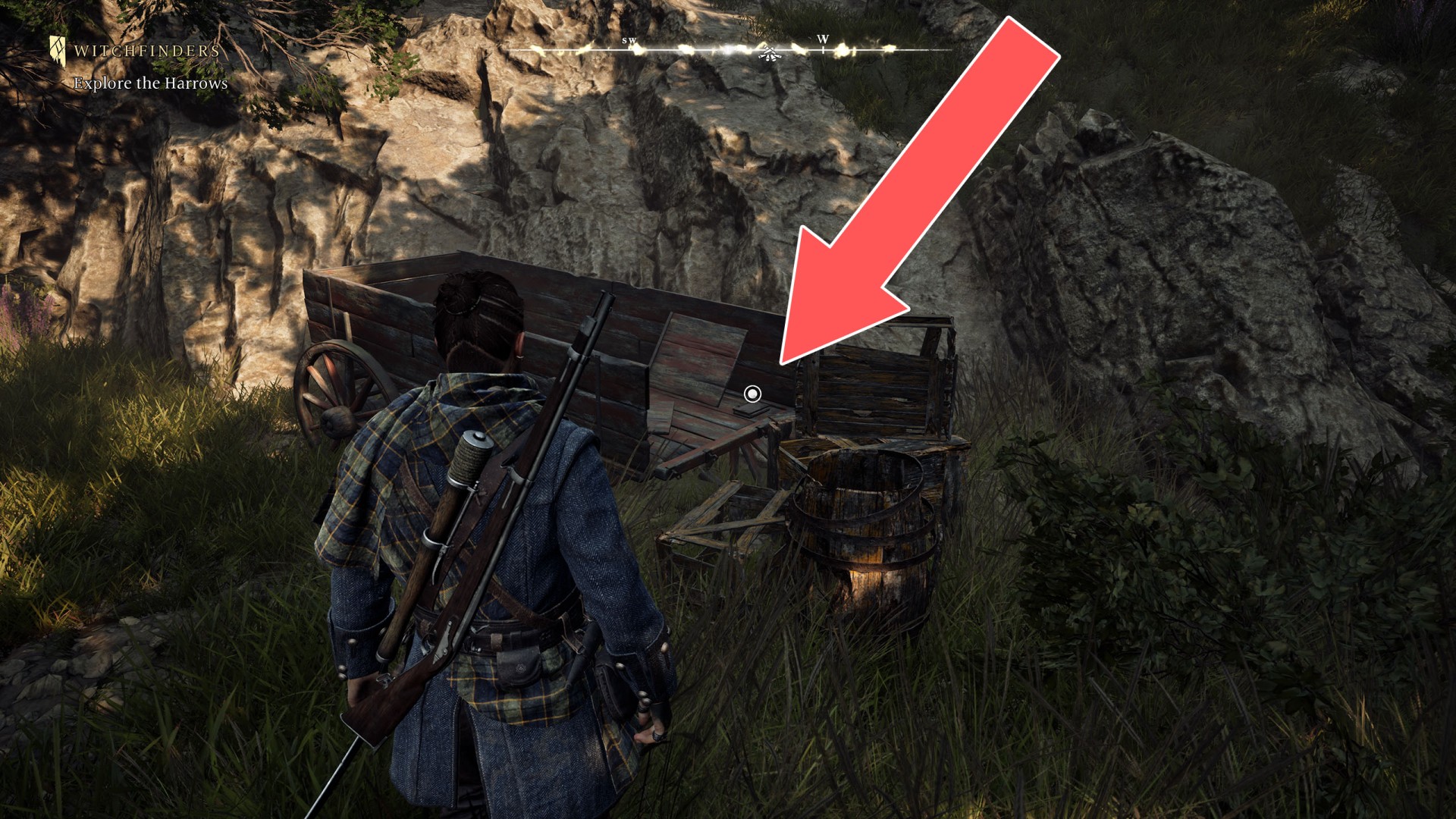
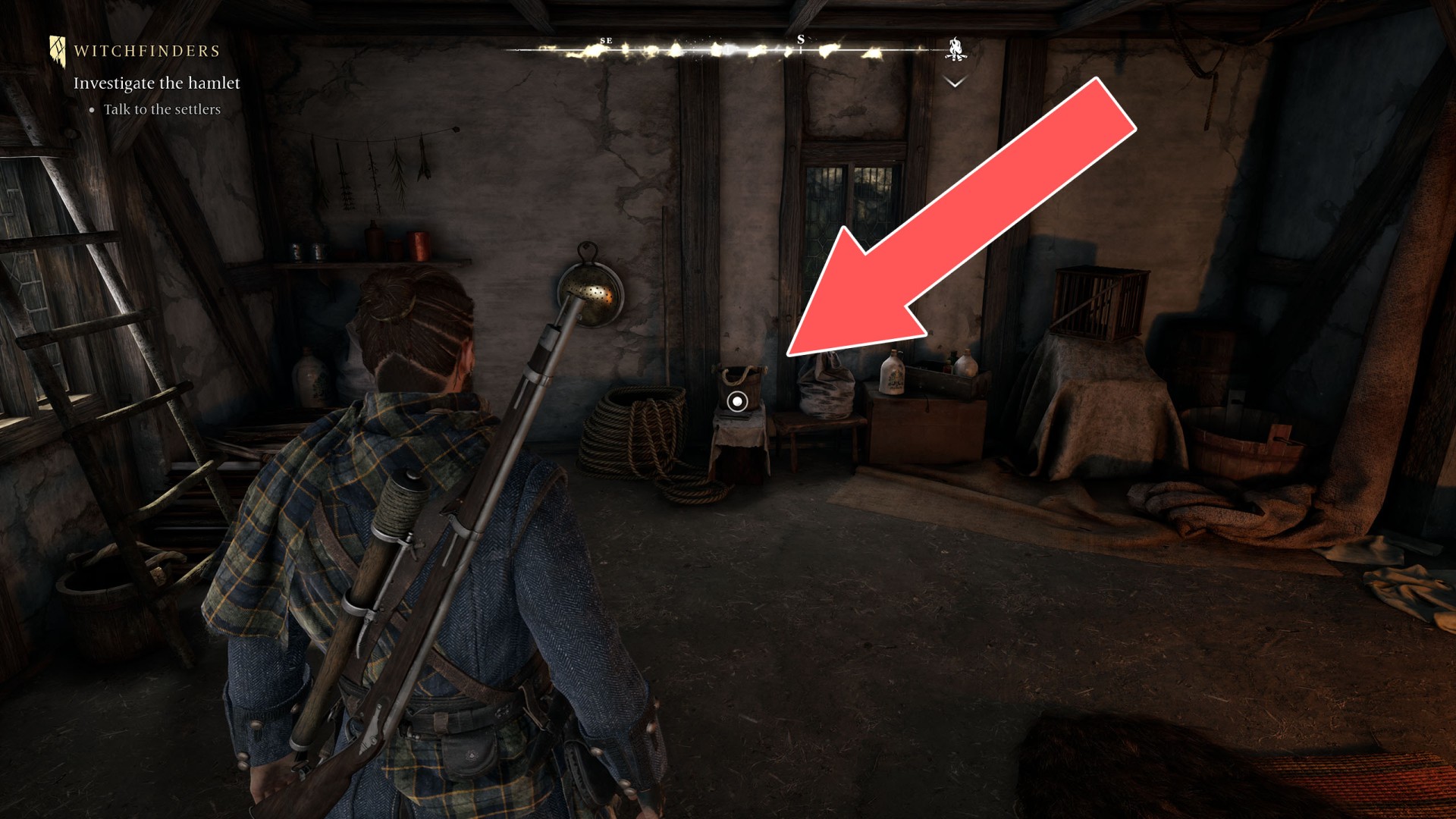
How was New Eden founded? When? By whom? It never ceases to amaze me how such information, from the recent past, already fades away in the fog of time. Maybe it has a lot to do with the settler’s lifestyle, mainly focused on their daily and pious routines. Is this nation in the making destined to forget about its past? Is it deeply rooted in my fellow colonists’ choice to travel an ocean to forget about their previous and often unpleasant life? I cannot say.
But since I believe it is essential to remember the past to forge a better future, I will keep on gathering information about the foundation of New Eden. Even if my curiosity may displease some of my neighbors.
I now know for a fact that the little hidden valley was first discovered by an exploratory party sent from the recently founded town of Boston. In the surrounding hills, they found precious ore and metals. Struck by its pristine and beautiful setting, the expedition’s leader named the valley New Eden, and with some selected men he decided to install a first settlement while the rest of the expedition went back to Boston to bring back more people and material. This was in 1635, according to Boston’s registers. I find it strange that the name of the founder is not known. But this is not uncommon among the myriads of newborn settlements blooming all around the coast at the time.
Maybe I should conduct more research about that man the next time I have the opportunity to travel to Boston? Or interrogate some more elders?
What is known for sure is that their presence in the valley highly irritated the nearby Native tribes who seemed furious of their presence. I have already found that the local tribes nicknamed the valley, or a part of it, “the ill mouth”. Settlers probably refused to leave, since a few skirmishes have sadly been recorded in 1636. Reinforcement was sent from a few Massachusetts Bay colonies, until the Native warriors abandoned the area for good. New Eden colony was officially founded as the blood of the first victims soaked the earth of the not so pristine anymore valley. A first copper mine was opened, then a second, while more White men and women joined the blooming town.
In the ancient governor’s house, I have found contracts of the building of a first mill by the seashore in 1637, belonging to some Anton and Esther Procter, who seemed to have acted like community leaders for a time before they mysteriously disappeared. Tragic events seem to be quite common around.
For that first settlement seems to have rapidly decayed. In less than two years, I could not find any trace of trade between New Eden and Boston. No more ore was bought by nearby colonies. Like many similar settlements, the small bourgade quickly vanished. The first rumors of a deadly epidemic started to spread around, mixed with weird tales about a swamp quickly growing in the middle of the valley. This should have been sufficient to keep the colonists away, but the rumor of the rich mines in the nearby hills has also spread.
Deborah Comenius, schoolteacher of New Eden, September 1687